Pipe Replacement & Repiping in Texas
Old galvanized or polybutylene pipes failing throughout your house? We do whole-house repiping with modern PEX or copper for lasting reliability.
What Is Pipe Replacement & Repiping?
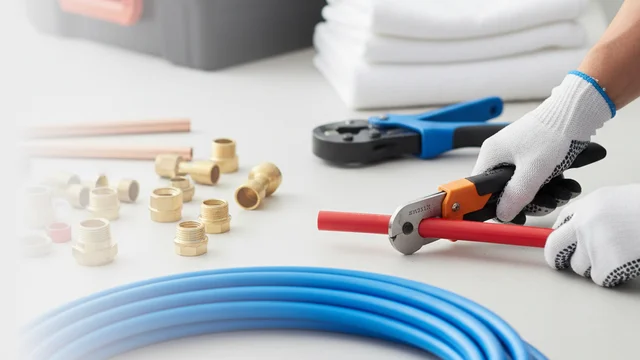
Whole-house repiping replaces all the water supply pipes throughout your home with new piping — typically modern PEX (cross-linked polyethylene) or copper. This is necessary when the existing pipes have deteriorated to the point where spot repairs are no longer reliable or cost-effective, and the entire system needs replacement.
The most common candidates for repiping are homes with galvanized steel pipes (which corrode internally, restrict flow, and produce rusty water), polybutylene pipes (used from 1978-1995, now known to be failure-prone), and older copper systems with widespread pinhole leak problems from aggressive water chemistry.
A full repipe typically takes 2-5 days depending on the size of the home, number of fixtures, and accessibility. The process involves running new PEX or copper lines through walls, ceilings, and floors to every fixture, then connecting them to the main water supply. PEX has become the preferred material for most residential repiping because it resists corrosion, tolerates freezing better than copper, installs faster with fewer fittings, and costs less.
Texas homes are among the most frequently repiped in the country due to the prevalence of galvanized and polybutylene pipes in the state's massive 1970s-1990s housing stock, combined with hard water that accelerates corrosion. Cities like Houston, Dallas, San Antonio, and Fort Worth have thousands of homes with aging pipe systems that need full replacement.
Signs You Need Pipe Replacement & Repiping
If you notice any of these symptoms, it's time to call a licensed plumber for professional assessment.
- ⚠Rusty, brown, or discolored water — especially from hot water fixtures — indicating galvanized pipe corrosion.
- ⚠Multiple leak repairs in the past 1-2 years at different locations throughout the home.
- ⚠Noticeably low water pressure throughout the house that has worsened over time.
- ⚠Home has polybutylene (gray, blue, or black flexible plastic) pipes — a known failure-prone material.
- ⚠Home is built before 1985 with original galvanized plumbing still in place.
Common Causes and Why This Happens
Understanding what causes the problem helps you make an informed decision about the best repair approach.
Galvanized steel pipes corroded internally — rusty water, low pressure, and increasing leaks.
Polybutylene (poly-B) pipes installed 1978-1995 — a known failure-prone material.
Multiple pinhole leaks in different locations indicating system-wide copper deterioration.
Lead solder joints in pre-1986 plumbing creating water quality concerns.
Severely restricted flow from decades of mineral scale buildup inside old pipes.
How Our Pipe Replacement & Repiping Process Works
We follow a clear, consistent process so you know exactly what to expect from the first call to the finished job.
Schedule or Call for Immediate Help
Call (207) 419-2600 or use our online form. For emergencies, our 24/7 dispatch sends a licensed plumber — typically within 30 to 60 minutes in Texas metro areas.
Expert On-Site Diagnosis
Your plumber arrives equipped with professional diagnostic tools to identify the root cause — not just the visible symptom. We explain what we find in plain language.
Transparent Quote Before Work Begins
You receive a detailed, itemized estimate covering labor, parts, and any other costs. We answer your questions, explain your options, and only proceed after you approve.
Professional Repair or Installation
Our licensed technician completes the work using quality parts, proven methods, and professional-grade equipment. We protect your property throughout the process.
Testing, Cleanup, and Follow-Up
We test everything to confirm the repair holds, clean up completely, and walk you through what was done. You receive written warranty documentation.
What's Included in Our Pipe Replacement & Repiping Service
Whole-house assessment of pipe material, condition, and layout.
New pipe routing plan using PEX or copper through walls, attic, or crawl space.
Installation of new supply lines to every fixture in the home.
New shut-off valves at every fixture location.
Connection to the main water supply.
Full system pressure testing and flow verification at every fixture.
Wall and ceiling access hole patching to paintable state.
How Much Does Pipe Replacement & Repiping Cost in Texas?
| Low | Average | High |
|---|---|---|
| $3,500 | $7,000 | $15,000+ |
Prices vary based on the specifics of each job. We provide a detailed, itemized estimate on site before any work begins — the price you approve is the price you pay.
Factors That Affect Cost
- •Home size — square footage and number of fixtures determine the amount of piping needed.
- •Pipe material choice — PEX costs less than copper for both materials and labor.
- •Number of stories — multi-story homes require more labor for vertical runs.
- •Accessibility — open floor plans and accessible attics/crawl spaces reduce labor; finished walls and tight spaces increase it.
- •Fixture count — each bathroom, kitchen, laundry, and outdoor connection adds connections.
Benefits of Professional Pipe Replacement & Repiping
Eliminates all corroded, restricted, or failure-prone piping in one project.
PEX resists corrosion, handles freezing better than copper, and installs faster with fewer joints.
Dramatically improves water pressure and flow throughout the house.
Removes a major red flag for home buyers and home inspectors.
Modern pipe materials last 50+ years with zero maintenance.
Expert Tip
If your home has polybutylene pipes (gray, blue, or black flexible plastic, typically 1/2 to 1 inch), repiping is strongly recommended regardless of current condition. Poly-B pipes fail unpredictably — often splitting at fittings with no warning. Many home insurance policies exclude poly-B pipe failure, leaving the homeowner responsible for all water damage.
Have questions or ready to schedule pipe replacement & repiping in Texas?
Call (207) 419-2600Why Choose Joe's Plumber for Pipe Replacement & Repiping in Texas
A whole-house repipe is a major project — typically 2-5 days with coordinated access through walls and ceilings. We plan the pipe routing before cutting a single hole, minimize the number of access points needed, and restore drywall to a paintable state. You have running water each evening; service is only interrupted during active work hours.
Residential & Commercial Service
We repipe residential homes and multi-unit properties. Apartment building repiping requires coordinated scheduling across units, temporary water provisions, and compliance with commercial plumbing codes.
Pipe Replacement & Repiping Available Across Texas
We provide pipe replacement & repiping in 130+ Texas cities. Select your city for local service details and scheduling.
Related Plumbing Services
Plumbing problems are often connected. If you need pipe replacement & repiping, you may also benefit from these related services.
Pipe Repair
Leaking, corroded, or burst pipes? We repair copper, PVC, CPVC, PEX, galvanized, and cast iron pipes in walls, ceilings, floors, and underground.
Learn More →Water Line Repair
Low water pressure, discolored water, or wet spots in the yard? We repair and replace main water lines from the meter to your house.
Learn More →Plumbing Inspection
Buying a home? We inspect the entire plumbing system including pipes, water heater, sewer line, fixtures, and water pressure for peace of mind.
Learn More →Pipe Replacement & Repiping — Frequently Asked Questions
How long does a whole-house repipe take?▼
Most single-family homes are completed in 2-5 days. You will have running water each evening; water is only off during active work hours.
Will repiping damage my walls?▼
Small access holes are cut to route new pipes. We patch the openings to a paintable state. Some homeowners coordinate repiping with planned renovation for minimal disruption.
Should I choose PEX or copper for repiping?▼
PEX is the preferred choice for most residential repiping — it resists corrosion, handles freezing better, installs faster, and costs 30-40% less than copper. Copper remains excellent but costs more.
Do I have polybutylene pipes?▼
Polybutylene pipes are gray, blue, or black flexible plastic, typically 1/2 to 1 inch in diameter. Check exposed pipes near the water heater or under sinks. If you have poly-B pipes, repiping is strongly recommended.
Does repiping increase home value?▼
Yes. Buyers and inspectors flag old galvanized or polybutylene pipes as red flags. A modern PEX or copper repipe removes a major negotiation point and adds value.