Gas Line Installation in Texas
Need a gas line for your stove, dryer, grill, generator, or pool heater? We install new gas lines with proper sizing, permits, and testing.
What Is Gas Line Installation?
Gas line installation runs new gas piping from your existing gas supply to a new appliance location. Common reasons include adding a gas line for a new stove or range, running gas to a dryer location, extending gas service to an outdoor grill or fire pit, connecting a new gas water heater or tankless unit, and supplying gas to a backup generator or pool heater.
The installation process begins with calculating the gas load — the total BTU demand of all appliances on the system — to determine the correct pipe size. Undersized gas lines cause low gas pressure, resulting in poor appliance performance, pilot light failures, and incomplete combustion. The plumber then routes new black iron, CSST (corrugated stainless steel tubing), or copper gas pipe from the nearest supply point to the new appliance location, installs a shut-off valve, and connects the appliance.
After installation, the entire gas system is pressure-tested to verify zero leakage. Texas code requires a pressure test using air or nitrogen at a specified pressure for a specified duration before gas service is activated. Many jurisdictions also require a plumbing permit and inspection for new gas line installations.
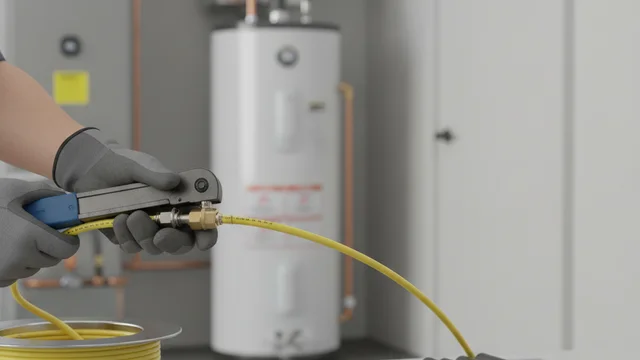
CSST (yellow flexible gas tubing) has become popular for new installations because it routes faster than rigid black iron pipe and requires fewer fittings. However, CSST must be properly bonded to the home's grounding system to prevent damage from lightning strikes — a particularly important consideration in Texas where severe thunderstorms are common.
Signs You Need Gas Line Installation
If you notice any of these symptoms, it's time to call a licensed plumber for professional assessment.
- ⚠You are adding a gas appliance (stove, dryer, water heater, grill) where no gas connection currently exists.
- ⚠Remodeling a kitchen or laundry room and relocating gas appliance positions.
- ⚠Installing a standby generator that requires a natural gas connection.
- ⚠Converting an electric appliance to gas for energy efficiency or cooking preference.
- ⚠Building an outdoor kitchen with a gas grill, fire pit, or patio heater.
Common Causes and Why This Happens
Understanding what causes the problem helps you make an informed decision about the best repair approach.
Adding a gas connection for a new gas stove, range, or cooktop.
Running gas to a dryer location for a gas dryer conversion.
Installing an outdoor gas line for a built-in grill, fire pit, or patio heater.
Connecting a gas standby generator for whole-home backup power.
Extending gas service to a new pool heater, spa heater, or outdoor kitchen.
How Our Gas Line Installation Process Works
We follow a clear, consistent process so you know exactly what to expect from the first call to the finished job.
Schedule or Call for Immediate Help
Call (207) 419-2600 or use our online form. For emergencies, our 24/7 dispatch sends a licensed plumber — typically within 30 to 60 minutes in Texas metro areas.
Expert On-Site Diagnosis
Your plumber arrives equipped with professional diagnostic tools to identify the root cause — not just the visible symptom. We explain what we find in plain language.
Transparent Quote Before Work Begins
You receive a detailed, itemized estimate covering labor, parts, and any other costs. We answer your questions, explain your options, and only proceed after you approve.
Professional Repair or Installation
Our licensed technician completes the work using quality parts, proven methods, and professional-grade equipment. We protect your property throughout the process.
Testing, Cleanup, and Follow-Up
We test everything to confirm the repair holds, clean up completely, and walk you through what was done. You receive written warranty documentation.
What's Included in Our Gas Line Installation Service
Gas load calculation — total BTU demand of all appliances to determine correct pipe sizing.
New gas pipe routing from the nearest supply point to the appliance location.
Shut-off valve installation at the appliance connection.
Full system pressure test using air or nitrogen at code-required pressure and duration.
Permit application and inspection coordination.
CSST bonding to the home grounding system (if flexible gas tubing is used).
How Much Does Gas Line Installation Cost in Texas?
| Low | Average | High |
|---|---|---|
| $250 | $600 | $2,000+ |
Prices vary based on the specifics of each job. We provide a detailed, itemized estimate on site before any work begins — the price you approve is the price you pay.
Factors That Affect Cost
- •Length of the gas line run from supply to appliance.
- •Pipe material — CSST installs faster but costs more per foot than black iron.
- •Whether the main gas supply line needs upsizing to handle additional load.
- •Complexity of routing — through walls, under floors, or across the exterior.
- •Permit and inspection fees — required in most Texas jurisdictions.
Benefits of Professional Gas Line Installation
Properly sized gas lines prevent low-pressure problems that cause poor appliance performance.
Code-compliant installation with permits protects your home insurance and resale value.
CSST bonding protects flexible gas tubing from lightning damage — critical in Texas storm country.
Licensed work ensures safe, permanent gas connections you can rely on for decades.
Expert Tip
Planning an outdoor kitchen with a gas grill? Run the gas line during construction or hardscaping — adding it later means trenching through finished landscaping or running exposed pipe across the exterior. A $500-800 installation during construction saves $1,500+ in retrofit costs later.
Have questions or ready to schedule gas line installation in Texas?
Call (207) 419-2600Why Choose Joe's Plumber for Gas Line Installation in Texas
Gas line sizing is the most common mistake in non-professional installations. An undersized gas line causes low flame, pilot light failures, and incomplete combustion that produces carbon monoxide. We calculate the total BTU load of your gas system — including existing appliances — and size the new line to handle everything with margin to spare.
Gas Line Installation Available Across Texas
We provide gas line installation in 130+ Texas cities. Select your city for local service details and scheduling.
Related Plumbing Services
Plumbing problems are often connected. If you need gas line installation, you may also benefit from these related services.
Gas Line Repair
Smell gas? This is an emergency. We repair gas line leaks, replace damaged gas pipes, and pressure-test your system for safety.
Learn More →Water Heater Installation
Need a new water heater? We install tank, tankless, gas, electric, and hybrid water heaters with proper connections, venting, and permits.
Learn More →Tankless Water Heater
Upgrade to endless hot water with a tankless water heater. We install and service Rinnai, Navien, Rheem, Noritz, and all major tankless brands.
Learn More →Gas Line Installation — Frequently Asked Questions
How long does it take to install a new gas line?▼
Most single-appliance gas line installations take 2-4 hours. Longer runs, multiple appliance connections, or main line upsizing may take a full day.
Do I need a permit for gas line installation in Texas?▼
Yes, in most Texas cities and counties. We handle the permit application and schedule the required inspection after installation.
Can I run a gas line to my outdoor grill?▼
Absolutely. An outdoor gas connection eliminates the need for propane tanks. We install permanent gas lines to grills, fire pits, outdoor kitchens, and patio heaters.
Is CSST or black iron pipe better?▼
Both are code-approved. CSST is faster to install and routes more easily through tight spaces. Black iron is more durable for exposed runs. We recommend the best option for your specific installation.
Can I convert my electric stove to gas?▼
Yes, if natural gas service is available in your home. We run a gas line to the stove location and install the proper connection and shut-off valve.